How I Slowed Aging by Managing My Emotions—Simple Changes, Real Results
Aging isn’t just about wrinkles or gray hair—it’s deeply tied to how we handle stress and emotions every day. I used to think anti-aging was all about creams and diets, but what truly changed things for me was learning emotional balance. Science shows chronic stress speeds up aging, while calm, mindful living supports longevity. This is my experience with simple, natural ways to manage emotions—and how they quietly transformed my health and vitality over time.
The Hidden Link Between Emotions and Aging
Emotional health is not a luxury—it is a biological necessity. Behind the visible signs of aging lies a hidden process that scientists now understand more clearly: emotional stress can accelerate aging at the cellular level. One of the most significant discoveries in this area involves cortisol, the primary stress hormone. When cortisol remains elevated due to ongoing emotional strain—such as unresolved frustration, persistent worry, or unmanaged anger—it triggers inflammation throughout the body. Chronic inflammation is now recognized as a key driver of age-related conditions, from joint stiffness to cardiovascular changes.
Equally important is the role of telomeres, the protective caps at the ends of our chromosomes. These tiny structures naturally shorten as we age, but research from institutions like the University of California has shown that individuals under prolonged psychological stress experience faster telomere shortening. In essence, feeling constantly overwhelmed may cause cells to age more rapidly, regardless of chronological age. This means that two women of the same age—one living with daily emotional tension and the other practicing regular emotional regulation—may have vastly different biological ages.
What makes this connection even more compelling is that it’s not limited to extreme stress. Everyday emotional patterns, such as habitual impatience, internalized resentment, or difficulty relaxing, can contribute to this biological wear and tear over time. The body does not distinguish sharply between major life crises and the cumulative effect of small, repeated emotional reactions. Each moment of tension sends signals through the nervous system that, when repeated daily, influence how the body repairs itself, how energy is allocated, and how resilient it remains. Therefore, managing emotions is not merely about improving mood—it’s about protecting the body’s foundational systems.
Understanding this link shifts the conversation around aging from external fixes to internal stewardship. Skincare and nutrition play roles, certainly, but so does how we respond to a delayed appointment, a family disagreement, or an unexpected setback. By viewing emotional regulation as a form of preventive health care, we begin to see that emotional calm is not passive—it is an active investment in long-term well-being.
My Wake-Up Call: When Stress Started Showing on My Skin and Energy
For years, I believed I was managing life well. I maintained a balanced diet, exercised regularly, and visited my doctor for routine checkups. Nothing showed up in blood tests, yet I began noticing subtle but persistent changes. My skin, once clear and resilient, started to look dull and dry, even with consistent moisturizing. I needed more concealer to mask dark circles, and fine lines around my eyes deepened despite using recommended serums. More concerning was the fatigue—no matter how early I slept, I often woke feeling heavy, as if my body hadn’t truly rested.
Mood swings became more frequent. Small inconveniences, like a grocery line moving slowly or a miscommunication with a friend, would leave me disproportionately irritated. I found myself snapping at my children over minor things, then immediately regretting it. There was no major crisis in my life, yet I felt emotionally raw, as though my tolerance for daily stress had worn thin. I began to wonder: was I just getting older, or was something else at play?
After discussing these concerns with my physician, I underwent standard evaluations. Thyroid function, vitamin levels, and hormone panels all came back within normal ranges. There was no medical diagnosis to explain how I felt. That’s when a nurse practitioner gently suggested I consider the role of emotional stress. She explained that physical symptoms often emerge when emotional burdens go unaddressed—not because they are imagined, but because the body and mind are deeply connected.
Her words stayed with me. I started paying closer attention to my internal state. I noticed how often I held tension in my shoulders, how I’d forget to breathe deeply during the day, and how I tended to suppress emotions rather than process them. I realized that while I prided myself on being strong and capable, I rarely gave myself space to feel or release emotional weight. It was then that I made a quiet decision: if emotional patterns were influencing my physical state, I needed to change how I managed them.
What Emotional Aging Looks Like in Daily Life
Emotional aging doesn’t announce itself with dramatic warnings. Instead, it creeps in through small, repeated patterns that gradually erode vitality. One of the most common signs is disrupted sleep. Even with a consistent bedtime, many women in their thirties and beyond report waking multiple times, struggling to fall back asleep, or feeling unrested despite adequate hours in bed. This isn’t always due to hormonal shifts—it can be the mind replaying conversations, worries, or unresolved emotions long after the day has ended.
Another indicator is low emotional resilience. This shows up as irritability over small things—being annoyed by a spouse’s habits, frustrated by traffic, or overwhelmed by household noise. These reactions aren’t about the events themselves but about an emotional threshold that has been quietly lowered by ongoing stress. When the nervous system is in a near-constant state of alert, even neutral stimuli can feel like threats, leading to disproportionate emotional responses.
Brain fog is another subtle but telling symptom. Women may find it harder to focus, forget why they walked into a room, or feel mentally sluggish by midday. While nutrition and hydration matter, emotional fatigue plays a significant role. The brain consumes more energy when processing unresolved emotions, leaving fewer resources for concentration and memory. This mental drain is not a sign of cognitive decline—it is often a signal that emotional energy is being overused.
Daily routines can also reflect emotional aging. Mornings may feel rushed and chaotic, not because of poor planning, but because the body hasn’t fully recovered from the previous day’s emotional load. There’s a sense of moving through tasks without presence, driven by obligation rather than intention. Joy in simple pleasures—sipping tea, watching sunlight through a window, sharing a laugh—may feel distant or fleeting. These are not just signs of being busy; they are indicators that emotional balance has shifted, and the body is paying the cost.
The Three Simple Shifts That Made a Difference
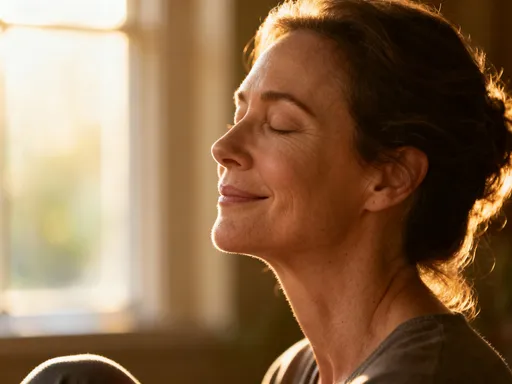
Change didn’t come from drastic measures or expensive treatments. Instead, I focused on three small but powerful habits that fit into my daily life without adding pressure. The first was introducing daily 5-minute breathing pauses. This wasn’t meditation in the traditional sense, but a simple practice: pausing twice a day—once in the morning and once in the afternoon—to breathe slowly and deeply. I would sit quietly, inhale for four counts, hold for four, and exhale for six. This brief reset helped calm my nervous system, reducing cortisol spikes and signaling safety to the body.
The second shift was journaling three emotions each night. Before bed, I would write down the three strongest emotions I had felt that day—such as frustration, gratitude, or impatience—and briefly note what triggered them. This wasn’t about lengthy reflections or problem-solving; it was about emotional awareness. By naming what I felt, I began to recognize patterns. I noticed that certain situations—like back-to-back calls or crowded stores—consistently triggered anxiety. Awareness didn’t eliminate these feelings, but it created space between the emotion and my reaction, allowing me to respond more thoughtfully.
The third change was setting emotional boundaries with overstimulating situations. I began to identify environments or interactions that left me feeling drained—such as long social events, emotionally charged conversations, or multitasking during meals. Instead of pushing through, I started making small adjustments: leaving gatherings earlier, postponing difficult discussions until I felt grounded, or eating in quiet instead of in front of screens. These weren’t acts of withdrawal, but of self-preservation. Over time, I found that protecting my emotional energy didn’t make me less engaged—it made me more present when it mattered.
Each of these practices was simple, but their combined effect was profound. Within weeks, I noticed deeper sleep, fewer mood swings, and a greater sense of control. My skin regained some of its glow, not because of a new cream, but because inflammation had decreased. These shifts weren’t about eliminating stress—they were about changing my relationship with it.
Why Small Emotional Habits Beat Extreme Anti-Aging Fixes
The anti-aging industry is filled with promises: miracle serums, high-tech treatments, specialized supplements. While some of these may offer surface-level improvements, they often overlook the internal environment that determines long-term health. In contrast, small emotional habits work beneath the surface, influencing biological processes that no topical product can reach. Calming the nervous system through breathing, for example, reduces systemic inflammation, which in turn supports collagen production, skin elasticity, and joint health.
Moreover, these habits are sustainable. Extreme fixes often require significant time, money, or discipline, making them difficult to maintain. Emotional practices, on the other hand, can be woven into existing routines. Brushing your teeth? Take three deep breaths afterward. Finishing dinner? Pause to name one emotion you felt during the meal. These moments require no special tools or appointments—they only ask for presence.
Consistency, not intensity, is what matters. A 30-minute meditation once a month won’t shift your biology, but three minutes of mindful breathing five days a week can. The nervous system responds to repetition. Each time you choose calm over reactivity, you strengthen neural pathways associated with resilience. Over time, this builds emotional muscle, much like physical exercise builds strength. The result is not just slower aging, but a more balanced, grounded way of living.
Additionally, emotional regulation supports immunity. Chronic stress suppresses immune function, making the body more vulnerable to everyday challenges. By managing emotional responses, we help the body maintain its defenses naturally. This means fewer colds, faster recovery, and sustained energy—all of which contribute to a more vibrant appearance and feeling of youth.
How to Start Without Overwhelm
Beginning an emotional wellness practice doesn’t require a complete lifestyle overhaul. The key is to start small and anchor the habit to something already familiar. Choose one practice—such as the 5-minute breathing pause or evening emotion check-in—and link it to an existing routine. For example, after washing your face at night, spend two minutes journaling your emotions. Or during your morning coffee, focus on slow, intentional breaths before checking your phone.
Tracking progress can be helpful, but not in a rigid way. Instead of measuring success by perfection, notice subtle shifts: Did you sleep more soundly? Did you respond calmly in a situation that would have upset you before? These small wins are signs of change, even if they feel minor at first. Avoid the mindset of fixing yourself—this is not about correcting flaws, but about nurturing your well-being.
It’s also important to release the pressure of doing it “right.” Some days, you may forget. Other days, emotions may feel too heavy to write down. That’s okay. The goal is not flawless execution, but gentle return. Think of it like watering a plant—missing a day doesn’t ruin it, and consistency over time brings growth. By approaching emotional care with kindness rather than criticism, you create a sustainable foundation for long-term change.
Long-Term Gains: More Than Looking Younger
The benefits of emotional regulation extend far beyond appearance. Over time, I found that my sleep became more restorative, my focus sharper, and my capacity for joy greater. I began to notice and appreciate small moments—a child’s laugh, the warmth of sunlight, the quiet of an early morning—that I had previously rushed past. These aren’t luxuries; they are signs of a nervous system that has learned to rest, not just react.
Emotional calm also strengthens relationships. When we are less reactive, we listen more deeply, respond with patience, and connect more authentically. This doesn’t mean avoiding conflict, but approaching it from a place of clarity rather than distress. Family interactions became more harmonious not because life changed, but because my internal state did.
Perhaps the most meaningful shift was in my sense of self. I no longer saw emotional sensitivity as a weakness to manage, but as a source of strength and awareness. By honoring my emotional experience, I cultivated a deeper sense of balance and resilience. This, more than any cream or treatment, became my true anti-aging strategy.
Slowing aging isn’t about resisting time—it’s about living in alignment with your body’s needs. Emotional health is not a side note; it is central to how we age, how we feel, and how we experience life. The practices that helped me are accessible to anyone. They require no special equipment, no expensive programs—just a willingness to pause, notice, and care. In doing so, we don’t just look younger. We live more fully, one calm breath at a time.